
In today’s competitive retail market, products don’t sell themselves. Presentation sells.
In a fast-moving retail environment like the United Arab Emirates — especially in cities like Dubai and Abu Dhabi — customers are exposed to hundreds of brands every day. The brands that win shelf space are the ones that know how to visually capture attention and influence buying behavior.
That’s where professional visual merchandising services come in.
This guide explains:
- What visual merchandising really means
- Why it matters in the UAE retail market
- How it directly increases in-store sales
- What brands should look for when choosing a provider
What Are Visual Merchandising Services?
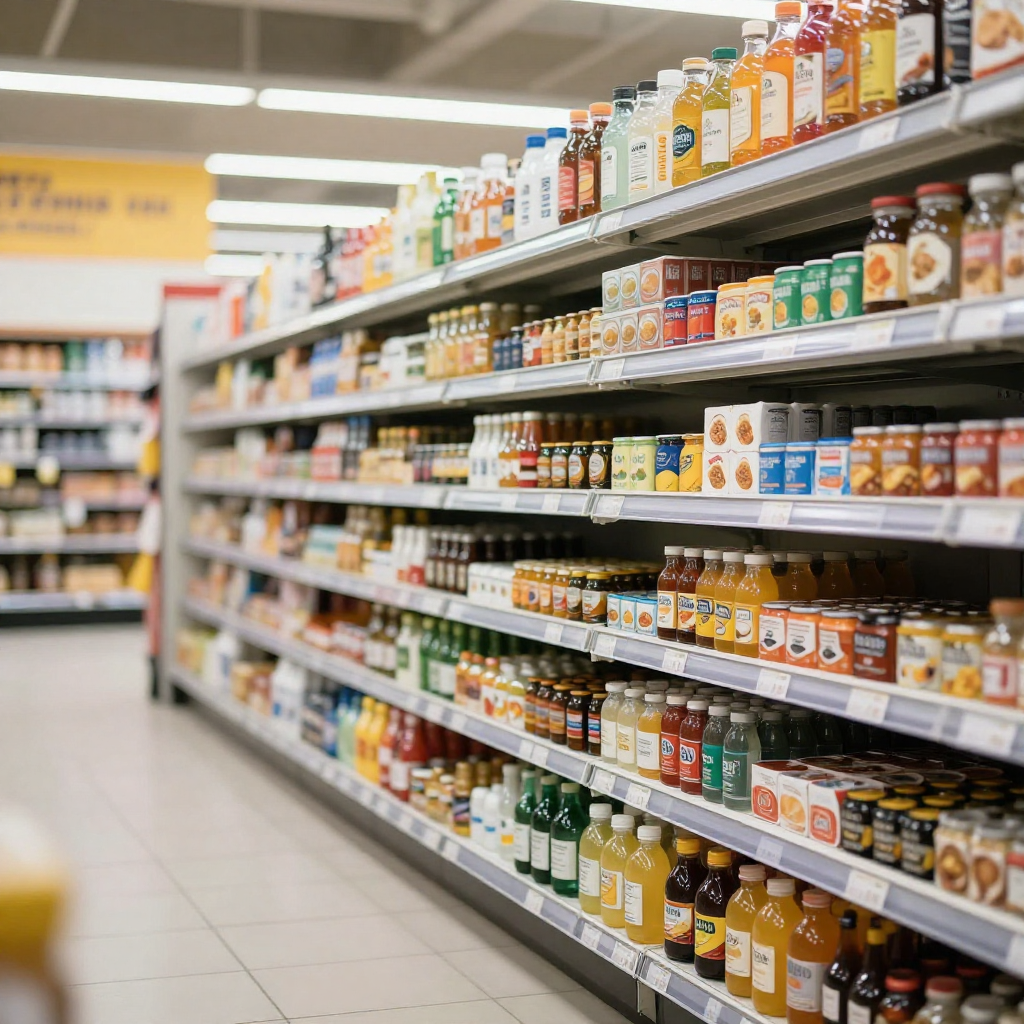
Visual merchandising is the strategic presentation of products in retail spaces to:
- Attract attention
- Enhance brand perception
- Improve product visibility
- Influence purchasing decisions
It goes beyond arranging products neatly. It includes:
- Shelf layout planning
- Product placement strategy
- POSM (Point of Sale Materials) positioning
- Promotional display execution
- Seasonal and campaign setup
- Window displays
- Planogram compliance
Professional visual merchandising services ensure your brand doesn’t just exist in-store — it stands out
Why Visual Merchandising Is Critical in the UAE Retail Market
The UAE retail sector is unique: The UAE retail sector is unique:
- Highly competitive FMCG environment
- Strong presence of international brands
- Large modern trade chains and hypermarkets
- Diverse, multicultural customer base
- Premium shopping culture
In cities like Dubai, customers make fast decisions. If your product is not visible, accessible, and attractive — it loses.
Retail shelf space is limited. Attention span is even more limited.
Visual merchandising bridges that gap.
How Visual Merchandising Increases In-Store Sales
Let’s break this down practically.
1. Better Shelf Visibility = Higher Sales
Eye-level placement increases sales significantly. Products placed:
- At eye level
- At checkout counters
- In promotional zones
Receive more engagement.
Professional visual merchandising services analyze traffic flow and optimize product positioning accordingly.
When customers see your product first, they are more likely to buy it.
2. Stronger Brand Recall
Consistent visual standards create brand memory.
When your:
- Shelf design
- Color blocking
- POS materials
- Promotional signage
Are aligned, customers recognize your brand faster.
In crowded supermarkets across the UAE, recognition drives repeat purchases.
3. Improved Planogram Compliance
Many brands invest in planograms but fail in execution.
Visual merchandising teams ensure:
- Correct product facings
- Proper SKU placement
- Out-of-stock monitoring
- Display maintenance
Execution consistency directly impacts revenue.
Poor compliance = lost sales.
4. Increased Impulse Purchases
Strategic placement of:
- Promotional displays
- End-cap units
- Bundle offers
- Seasonal stands
Encourages impulse buying.
In high-footfall retail stores in Dubai and Abu Dhabi, impulse purchases contribute significantly to total sales volume.
Visual merchandising turns browsing into buying.
5. Stronger Retailer Relationships
Retailers prefer brands that maintain professional shelf standards.
When your merchandising team:
- Keeps displays clean
- Maintains stock levels
- Respects store guidelines
- Updates campaigns on time
Retailers are more likely to offer better placement opportunities.
Long-term visibility = long-term sales growth.
Visual Merchandising vs Regular Merchandising: What’s the Difference?
Although both are essential for retail success, they serve different purposes.
Regular merchandising ensures that products are stocked, arranged correctly, and available for customers. It focuses on inventory management, shelf maintenance, and replenishment.
Visual merchandising, on the other hand, focuses on how products are presented. It involves strategic placement, display design, promotional execution, and creating a visually appealing shopping experience that encourages buying decisions.
In simple terms:
Regular merchandising keeps the shelf full.
Visual merchandising makes the shelf sell.
Key Elements of Effective Visual Merchandising in UAE Retail
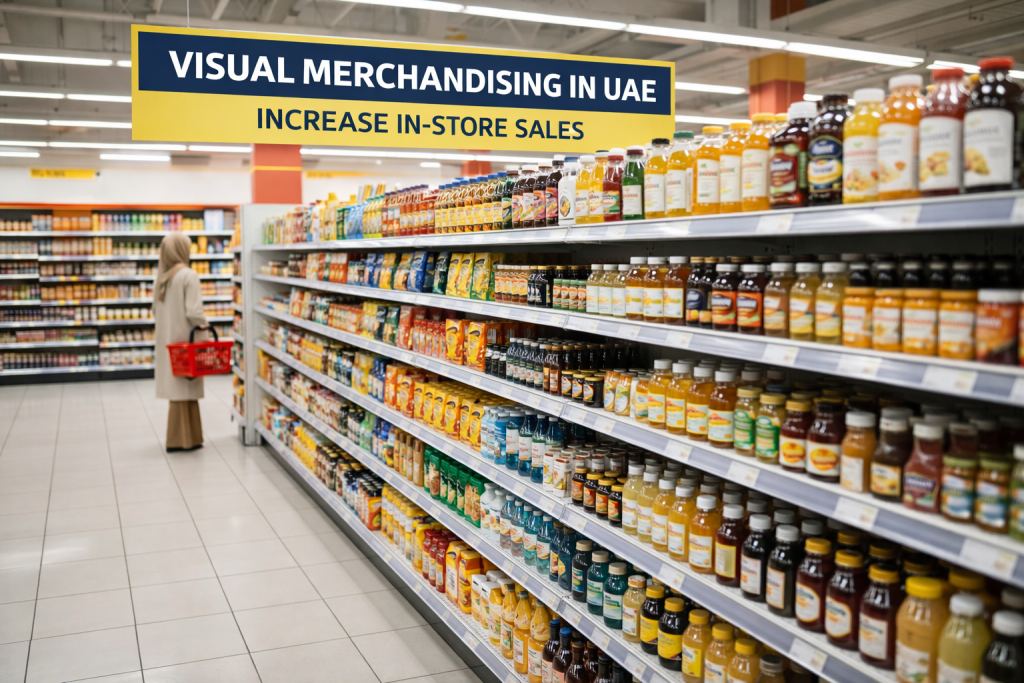
To succeed in the UAE market, services must include:
✔ Local Market Understanding
Customer preferences in Dubai may differ from Sharjah or Abu Dhabi.
✔ Data-Driven Placement Strategy
Using sales data and store analytics for positioning.
✔ Seasonal Campaign Adaptation
Ramadan, National Day, and holiday promotions require customized displays.
✔ Trained Field Teams
Well-groomed, disciplined, and trained merchandisers represent your brand image.
✔ Regular Reporting
Photo reports, compliance tracking, and store visit documentation.
Common Mistakes Brands Make Without Professional Services
- Inconsistent shelf presentation
- Poor promotional execution
- Ignoring planogram rules
- Lack of display maintenance
- Weak coordination with store management
These mistakes silently reduce sales every day.
Who Needs Visual Merchandising Services?
- FMCG brands
- Electronics brands
- Cosmetic and personal care companies
- Food and beverage suppliers
- New brands entering UAE retail market
If your product is sold in supermarkets, hypermarkets, or retail chains, visual merchandising is not optional — it’s essential.
How to Choose the Right Visual Merchandising Services in UAE
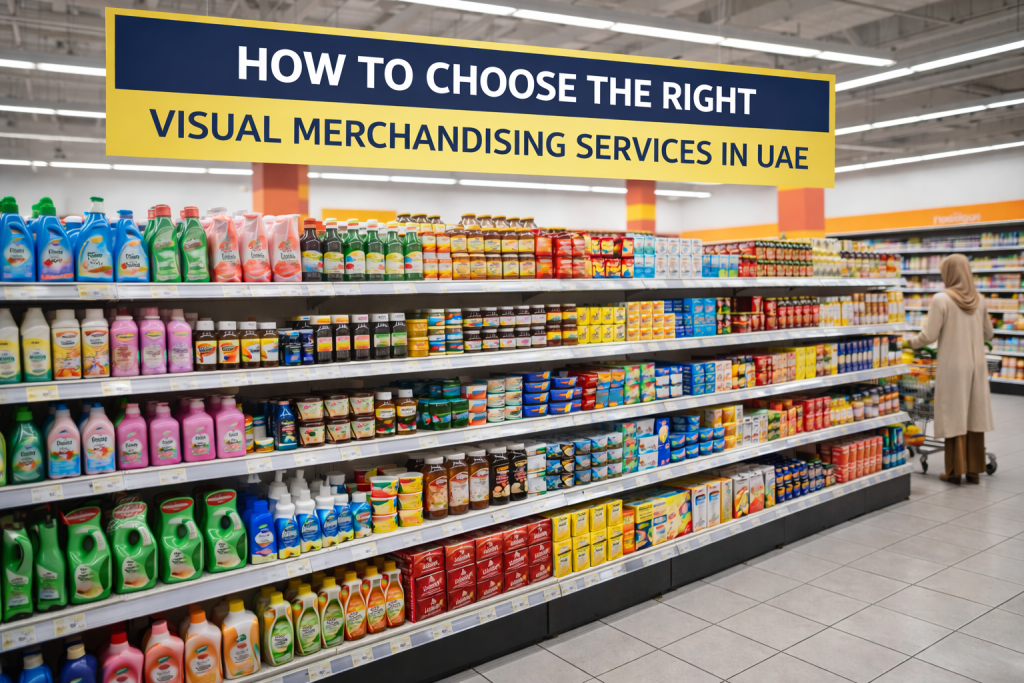
When selecting a provider, look for:
- Experience in UAE retail sector
- Strong field team network
- Structured reporting system
- Understanding of FMCG execution
- Proven retail coverage
Don’t just look at cost. Look at execution capability.
In-store execution quality determines ROI.
Final Thoughts
Retail success in the UAE market depends on visibility, presentation, and execution.
Your product might be high quality.
Your pricing might be competitive.
Your branding might be strong.
But if your in-store presence is weak, sales will suffer.
Professional visual merchandising services ensure your brand:
- Stands out
- Maintains compliance
- Attracts attention
- Converts foot traffic into revenue
In competitive retail environments like Dubai and across the UAE, visual execution is no longer a support function — it’s a growth driver.