
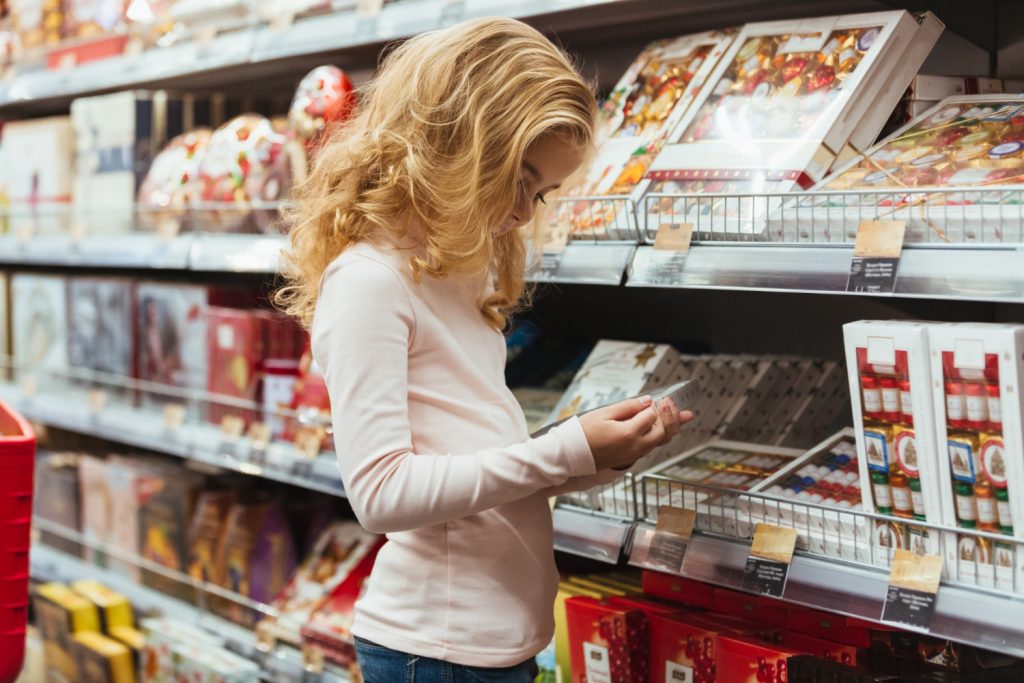
In the retail world, the terms visual merchandising and retail merchandising are often used interchangeably. While they are closely related and work toward the same goal—driving sales—they serve different purposes inside stores.
For brands operating in competitive retail environments like the United Arab Emirates, understanding the difference between these two functions is essential. Whether products are displayed in large hypermarkets in Dubai or neighborhood supermarkets in Sharjah, both visual and retail merchandising play a critical role in influencing customer behavior and improving in-store performance.
This guide explains the difference between visual merchandising and retail merchandising in a simple, practical way—so brands can understand how each function contributes to retail success.
Understanding Retail Merchandising
Retail merchandising focuses on the operational side of managing products inside stores. Its primary goal is to ensure that products are available, properly arranged, and consistently maintained on shelves.
In a typical supermarket or retail outlet, retail merchandising involves routine activities that keep shelves functional and organized. These activities may include checking stock levels, arranging products according to planograms, and ensuring that items remain available for customers throughout the day.
Without retail merchandising, shelves quickly become disorganized, products run out of stock, and customers struggle to find what they need. Even strong marketing campaigns cannot generate sales if products are missing or poorly positioned.
Retail merchandising is therefore the foundation of in-store execution.
Understanding Visual Merchandising
Visual merchandising focuses on the presentation and appearance of products. Its purpose is to make products visually appealing and attractive to customers.
Instead of concentrating on stock and availability, visual merchandising looks at how products are displayed, how colors and signage are used, and how the overall retail environment influences customer perception.
For example, a neatly designed promotional display at the entrance of a supermarket can immediately capture customer attention. Similarly, well-organized shelves with clear signage can make products easier to notice and more appealing to purchase.
Visual merchandising transforms ordinary shelves into engaging shopping experiences.
Many brands combine strong visual presentation with consistent shelf management to create a complete in-store strategy. When both functions work together, the result is improved product visibility and stronger customer engagement.
The Core Difference Between Visual Merchandising and Retail Merchandising
The easiest way to understand the difference is to look at their primary focus.
Retail merchandising ensures that products are available and correctly placed.
Visual merchandising ensures that products are attractive and noticeable.
Retail merchandising keeps the store operational.
Visual merchandising makes the store appealing.
Both functions support each other. Without retail merchandising, products may not be available. Without visual merchandising, products may not stand out.
How Visual and Retail Merchandising Work Together
Although visual merchandising and retail merchandising have different roles, they are most effective when integrated into a single strategy.
Consider a promotional campaign in a supermarket. Retail merchandising teams ensure that enough stock is available and arranged correctly on shelves. At the same time, visual merchandising teams design attractive displays and signage to draw customer attention.
When both teams coordinate their efforts, the promotion performs better because products are both visible and available.
In retail markets across the UAE, this coordination is essential. High customer traffic and intense competition mean that even small improvements in display quality or stock availability can significantly impact sales performance.
Real-World Example from Supermarkets
Imagine a beverage brand launching a new product in a supermarket.
Retail merchandising ensures that the product is stocked in the correct location within the beverage category. The team monitors inventory levels and replenishes shelves as needed.
Visual merchandising, on the other hand, designs a promotional display near the entrance of the store. The display uses bright colors, clear messaging, and attractive packaging to capture customer attention.
Customers notice the display, become curious, and walk toward the shelf to find the product. Because retail merchandising has ensured that the product is available, customers can easily make a purchase.
This simple coordination between visual and retail merchandising turns awareness into sales.
Why Understanding the Difference Matters for Brands
For many FMCG brands, confusion between visual and retail merchandising leads to gaps in execution. Some companies focus heavily on display design but neglect shelf maintenance. Others maintain strong inventory levels but fail to create visually engaging displays.
Understanding the difference helps brands allocate resources effectively and ensure that both functions are managed properly.
In competitive retail markets, even small execution gaps can lead to lost sales opportunities. A missing product, poorly maintained shelf, or unattractive display can reduce customer interest within seconds.
By managing both visual and retail merchandising strategically, brands can maintain consistent store performance and stronger customer engagement.
When Brands Should Prioritize Visual Merchandising
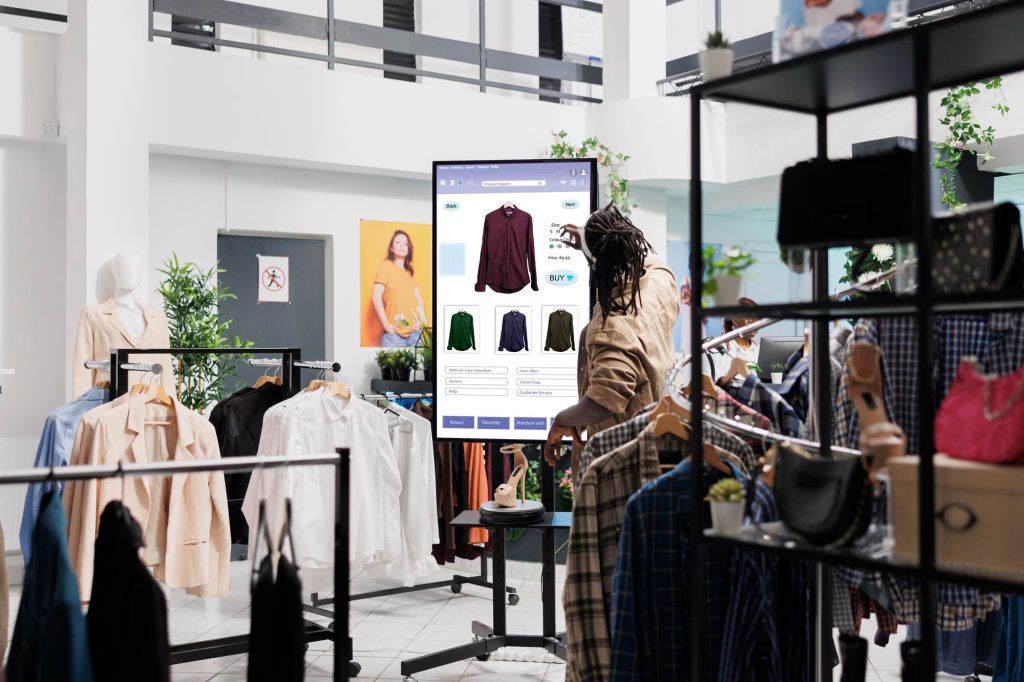
Visual merchandising becomes especially important during product launches, seasonal promotions, and high-traffic shopping periods.
During these times, attracting customer attention quickly is critical. Eye-catching displays and clear signage help brands stand out in crowded retail environments.
Retailers often provide limited promotional space, so brands that use strong visual presentation techniques can maximize the value of that space.
When Retail Merchandising Becomes the Priority
Retail merchandising becomes the priority when maintaining product availability and consistency across multiple stores.
For brands operating across dozens or hundreds of outlets, ensuring that shelves remain stocked and organized is essential for sustaining sales performance.
Consistent retail merchandising also supports retailer relationships. Stores prefer working with brands that maintain clean, organized shelves and follow category guidelines.
The Growing Importance of Integrated Merchandising in the UAE
Retail environments in the UAE continue to evolve as consumer expectations rise and competition increases. Shoppers expect well-organized stores, clear product displays, and reliable product availability.
As a result, many brands are moving toward integrated merchandising strategies that combine operational efficiency with strong visual presentation.
This approach helps brands maintain consistent retail standards while creating engaging shopping experiences for customers.
For businesses expanding across cities like Dubai, Abu Dhabi, and Sharjah, integrating both visual and retail merchandising has become a key factor in long-term retail success.
Final Thoughts
Visual merchandising and retail merchandising serve different but equally important roles inside retail stores. One focuses on presentation, while the other focuses on product availability and shelf management.
When these functions work together, they create a retail environment where products are easy to find, visually appealing, and consistently available for customers.
For brands operating in the competitive retail market of the UAE, understanding and managing both aspects of merchandising is essential for improving sales performance and building a strong in-store presence.